

Clinical Confidence
Physician-supported hospice care for the moments families need certainty
Alzheimer's and dementia hospice care across Ventura and Los Angeles counties
Calm routines, steady comfort and support for the family through each change.
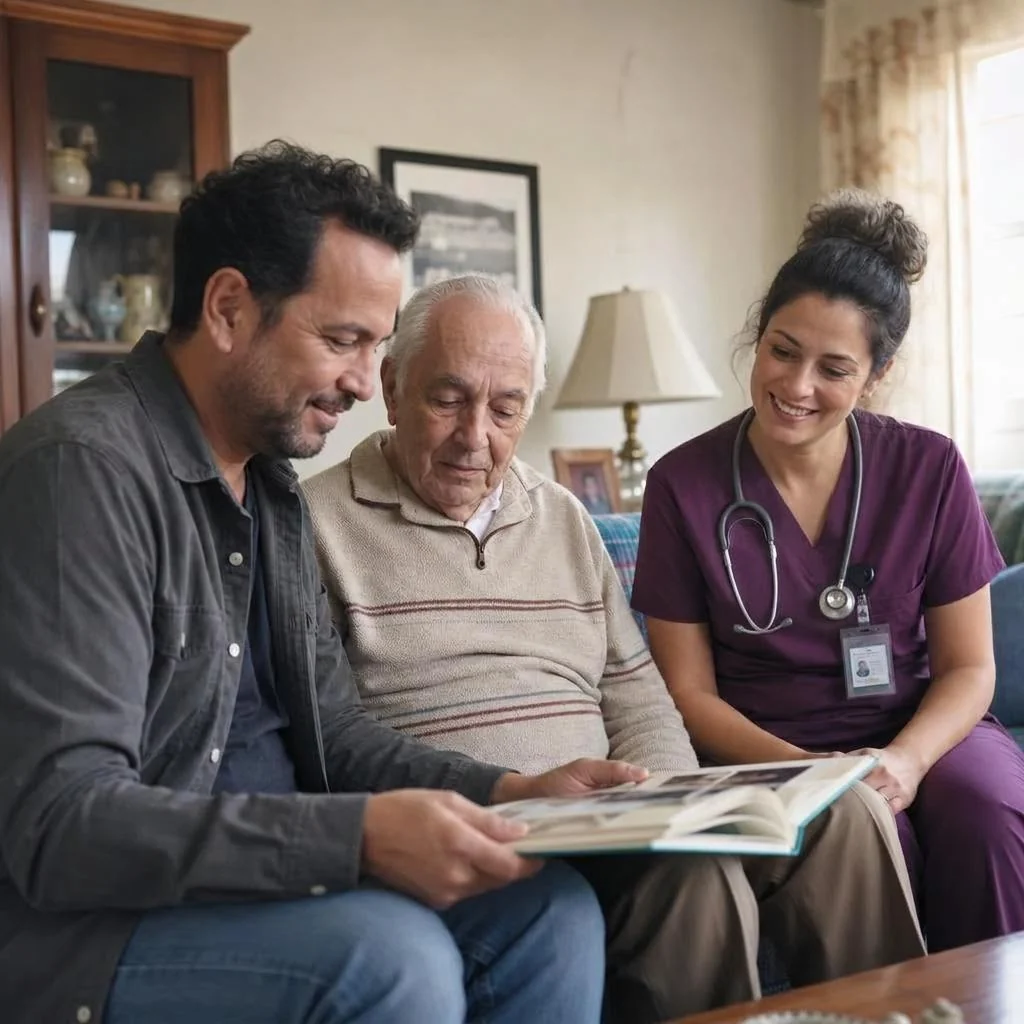
Hospice care for dementia is for patients in the later stages of Alzheimer's or another dementia and the families beside them. The team focuses on comfort, calm routines and caregiver support. Care is provided at home, in memory care or in board and care settings.
Families often consider hospice when a loved one needs help with most daily activities, speaks very little, eats less or has repeated infections or hospital visits. A hospice nurse can assess the patient. The hospice physician determines eligibility.
Families deserve calm direction and clear answers.
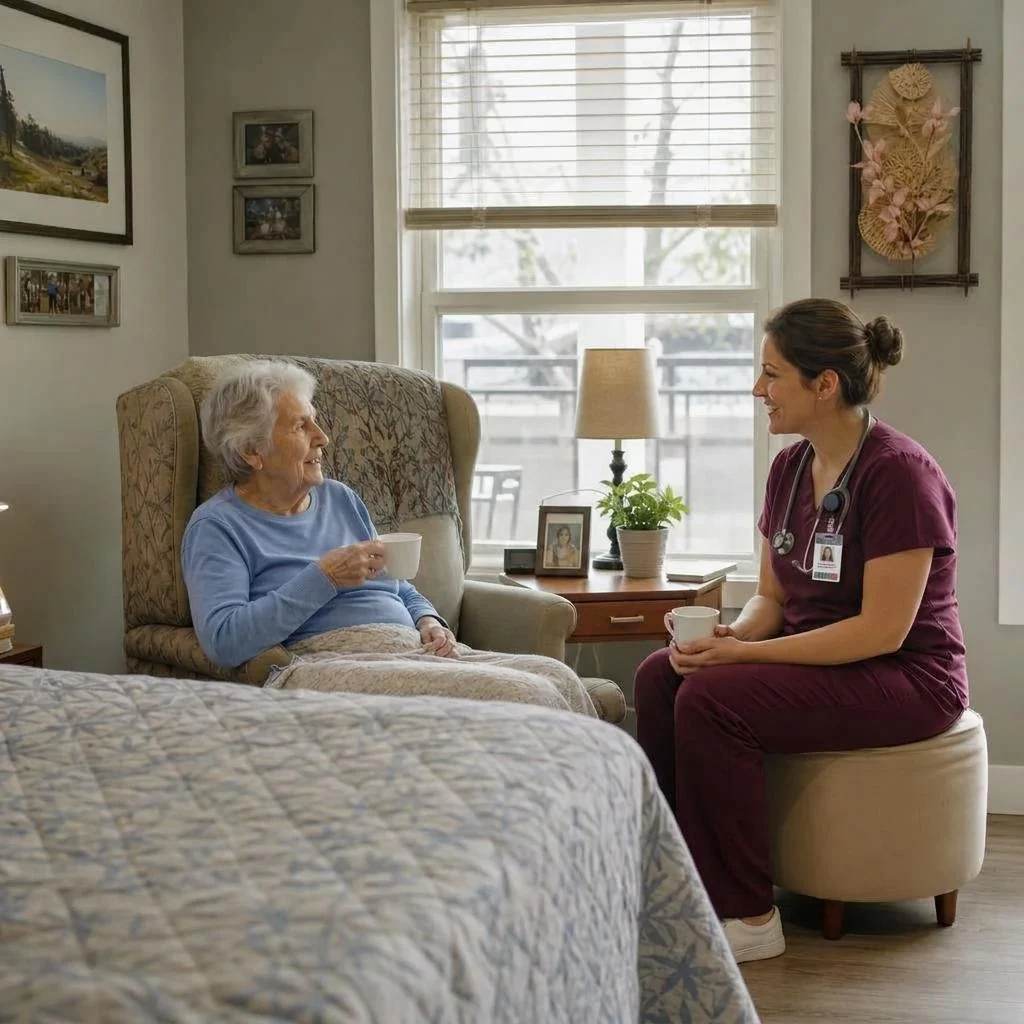
Dementia often means years of caregiving before hospice begins. Social work, spiritual care and bereavement support are part of the plan, so the family has steady help through the final stage.
The Eternal Standard
Physician-supported hospice care for the moments families need certainty
You always know what is happening, what comes next and who to reach
Comfort for the whole person – mind, body, spirit and family
Accurate, private and ethical at every step
Hospice coverage depends on eligibility and the rules of your Medicare, Medi-Cal or private insurance plan. Eternal reviews benefits, coverage arrangements and potential costs before care begins.
Yes, when the hospice physician determines the illness has reached a stage where life expectancy is six months or less if it follows its expected course.
Yes. The team works on site with memory care staff.
The physician reviews every medication and keeps those that support comfort.
Families often consider hospice when a loved one needs help with most daily activities, speaks very little, eats less or has repeated infections or hospital visits. A hospice nurse can assess the patient. The hospice physician determines eligibility.
The team looks for causes of discomfort that can be hard to read in late-stage dementia, such as pain. It builds a comfort plan with calm routines and consistent visit times.
Yes. Social work, spiritual care and bereavement support are part of the plan, so the family has steady help through the final stage.